
A judder as you pull away from the lights. A pause between second and third gear that wasn’t there last month. A gearbox warning light glowing on a cold morning, for no reason you can explain. If any of that sounds familiar, you’re already asking the right question: who actually understands this transmission? Finding a European car transmission specialist Sydney drivers trust is the first step to an honest diagnosis not a guess, and not a dealership quote designed to scare you into a full rebuild. This article explains why European transmissions behave differently, what a specialist does that a general workshop won’t, and how to get a straight answer before you spend a cent.
Why European Car Transmissions Are Not Like Any Other
BMW, Mercedes-Benz, Audi, and Volkswagen rely heavily on dual-clutch systems (DSG, S tronic) and ZF multi-speed automatics engineering that’s a generation ahead of a typical mainstream automatic. These gearboxes are electronically integrated with the engine management computer, so a transmission fault is rarely a standalone mechanical problem. Diagnose only the component, without reading the full system, and you risk paying for parts that were never the issue.
Common Transmission Problems in BMW, Audi, Mercedes, and VW
Every European brand has its own known weak points. BMW’s ZF 8-speed can develop rough shifting, torque converter shudder, or a transmission warning light on cold starts. Mercedes-Benz 7G-Tronic gearboxes are known for jerky low-speed engagement, delayed drive selection, and limp mode under fault conditions. Audi and Volkswagen DSG units commonly judder on take-off and hesitate between first and second gear, often traced to mechatronic unit wear. General workshops frequently misread these symptoms as engine trouble, clutch wear, or a vague “software glitch” leading straight to misdiagnosis.
What Is a DSG Gearbox and Why Does It Need Specialist Care?
A DSG (Direct Shift Gearbox) uses two clutches and two input shafts, with the next gear pre-selected before you need it which is why changes feel instant when everything’s working. The mechatronic unit, the combined hydraulic and electronic module that controls clutch engagement, is the most failure-prone part of the system. Diagnosing it properly needs brand-specific software, not a generic OBD scanner. DSG fluid and filter services are also commonly skipped by general mechanics because they don’t appear on standard service reminders and that’s one of the leading causes of early DSG failure.
ZF 8-Speed Automatic The Most Common Transmission in European Luxury Cars
The ZF 8HP appears across BMW, Audi, Land Rover, Jaguar, and Maserati, making it one of the most widespread luxury transmissions on Australian roads. Its known issues include torque converter lockup shudder, solenoid faults, and a requirement for adaptive learning resets after a fluid service. A ZF 8-speed that hasn’t been correctly adaptive-reset will behave as though it’s failing a mistake that leads to unnecessary component replacement at the owner’s expense, and one our team sees often after 30+ years working on European platforms in Western Sydney.
5 Warning Signs Your European Transmission Is Failing
- Judder or shudder on take-off: particularly noticeable in DSG-equipped vehicles pulling away from a standstill or crawling through stop-start traffic.
- Delayed or harsh gear engagement: a pause before drive engages after selecting D, or a clunk shifting between reverse and drive.
- Slipping between gears: engine revs climb without a matching increase in speed, most often felt between second and third gear.
- Transmission warning light: any amber or red gearbox warning should be diagnosed immediately, not monitored and hoped away.
- Limp mode activation: the vehicle locks into a single gear to protect itself from further damage, and needs urgent specialist attention.
What Does a European Car Transmission Specialist Actually Do That a General Mechanic Won’t?
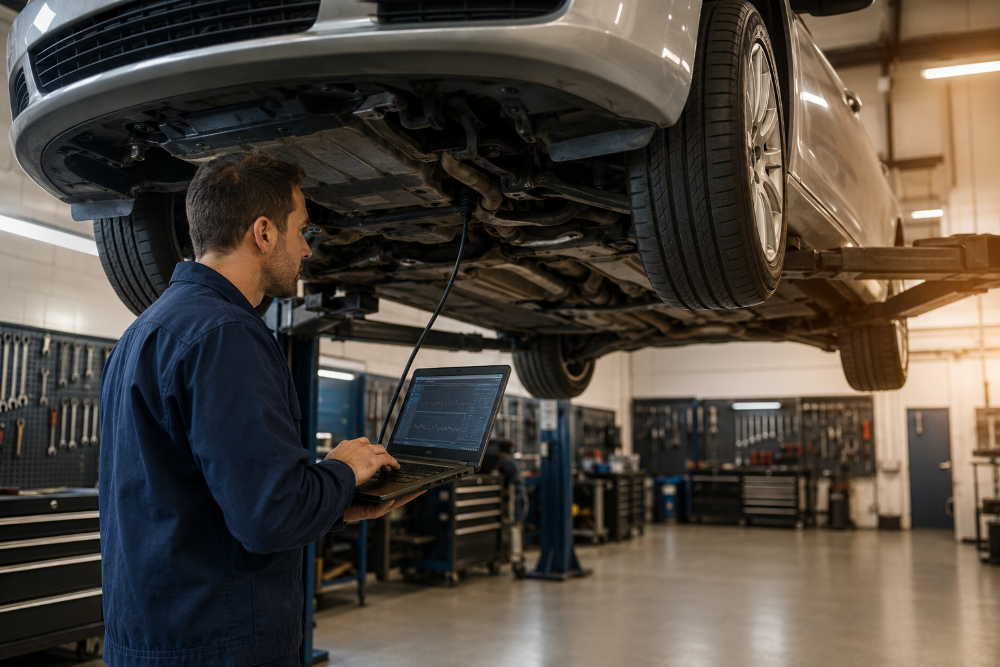
This is where the difference actually shows up. A specialist uses brand-specific diagnostic software ISTA for BMW, XENTRY for Mercedes, ODIS for Audi and VW rather than a generic scan tool that only reads surface fault codes. That means access to live transmission data: fluid temperature, clutch wear percentages, solenoid response times, not just stored codes from months ago. It also means knowing which symptoms are platform-specific quirks versus genuine mechanical failure, using the correct fluid specification for each car (BMW ATF-2, VW G 052 182, Mercedes 236.15 using the wrong one damages seals and solenoids), and running the adaptive reset procedures every service actually requires. It’s the same depth of care we apply across all makes and models serviced at I Fix Autohaus.
How Much Does European Transmission Repair Cost in Sydney?
We won’t quote a figure here, because the honest answer depends entirely on the fault. A software-based issue a control unit update or adaptive reset — typically sits at the lower end. Mechatronic or solenoid replacement is mid-range. A full transmission rebuild or replacement is the most expensive outcome, and it’s also the rarest one when the fault is caught early. The single biggest driver of unnecessary cost is misdiagnosis: paying for parts and labour that never addressed the real problem. A proper transmission diagnostic, the kind covered under car servicing and repair at I Fix Autohaus, identifies the actual fault before any repair work is authorised. Transmission problems don’t get better with time and in European vehicles, they can escalate quickly. Book a transmission diagnostic at I Fix Autohaus in Rydalmere and get an accurate assessment before the repair bill grows.
Frequently Asked Questions
What is the difference between a DSG and a standard automatic gearbox?
A DSG uses two clutches and pre-selects the next gear electronically, giving near-instant changes. A standard torque-converter automatic shifts hydraulically through a single path. DSG offers faster, sharper changes but demands more precise servicing.
Can a general mechanic fix a DSG or ZF transmission fault?
They can attempt it, but without brand-specific software like ODIS or ISTA, they’re often reading partial data. That risks replacing the wrong part or skipping a required adaptive reset, leaving the original fault unresolved.
How often should a DSG gearbox be serviced?
Most manufacturers recommend fluid and filter changes every 60,000–80,000 km, though this varies by model. Many owners are never reminded, since it doesn’t appear on the standard maintenance schedule.
Is it safe to drive with a transmission warning light on?
Not for long. The light usually means the system has detected a fault serious enough to trigger limp mode or restricted gear use. Get it diagnosed promptly rather than waiting to see if it worsens.
Does I Fix Autohaus service BMW, Audi, and Mercedes transmissions in Rydalmere?
Yes. Our Rydalmere workshop specialises in European platforms, using manufacturer-level diagnostic software and correct fluid specifications for BMW, Audi, Mercedes-Benz, and Volkswagen transmissions across Sydney.
